
RCA in Moldova: documents, purchase and renewal
When buying or renewing RCA in Moldova, check three distinct things: the information used, the issued document and policy registration. RCA is compulsory motor third-party liability insurance, not insurance for every loss involving your own vehicle. Completing an application or starting payment does not replace checking final documents and validity.
This article follows the practical journey from preparing records to keeping a usable policy. It publishes no tariffs, compensation limits or legal deadlines for every case. Individual circumstances need applicable-document and framework review. Use a current calculation instead of a price from an older article.
Identify the vehicle precisely
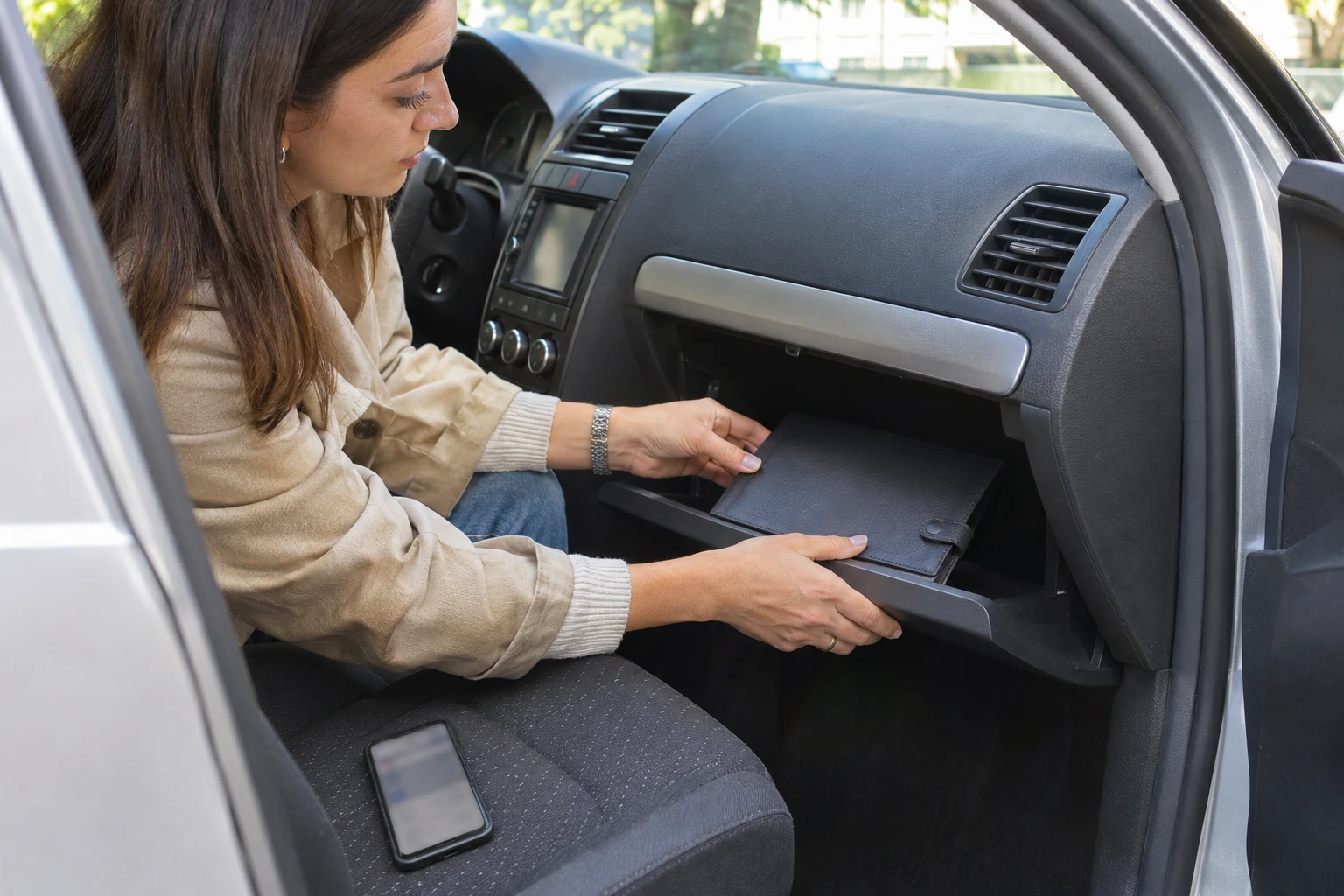
Have the registration certificate ready and check vehicle identification, plate and category. Read documents instead of completing fields from memory. Explain recent purchases or changing records before applying. A typing error should not remain merely because the vehicle seems recognizable.
For several vehicles, use a list and check each row. Do not copy the previous request without review. In a company, assign someone to confirm records and receive policies. A departmental list does not establish that every vehicle was included or that its documents remain current.
Prepare identity and vehicle-use records
The National Bank's official RCA portal identifies identity, registration and, where applicable, vehicle-use documents. Confirm the list for your circumstances. A photograph of a document is not proof of the required right or authority. Clarify unusual arrangements before payment and policy issuance.
Send only necessary records through an agreed channel. Do not publish personal identifiers, private-document series or card information in comments or groups. If someone completes the request for you, review the result. Assistance does not remove the need to check contractual information.
Choose dates and check the existing policy
Read expiry from the current policy and record when the next is needed. Do not rely on the month you paid last year. Check the new start and end. For special registration or use circumstances, request a duration review rather than assuming every form option suits you.
Do not assume automatic renewal. A reminder is useful but does not establish issuance. If several notices or applications exist, clarify each status. Distinguish a saved quote, initiated payment and actually issued policy instead of treating them as one completed transaction.
For each vehicle, keep requested, calculated, payment started, issued and verified as distinct statuses. Do not close a row because a reminder arrived or an amount appeared on screen. Link the final document to the correct vehicle and keep payment evidence separately identifiable.
Request a calculation using actual information
Check input details and request the current amount for the chosen period. The premium is the amount paid for insurance. If it differs from an earlier quotation, compare information, dates and calculation time. Do not decide a lower figure is correct or a higher one erroneous without checking those inputs.
The official BNM tool allows bonus-malus verification. Do not change data to obtain another class or copy someone else's result. Seek clarification of discrepancies and keep records. This article promises neither a class change nor a universal discount percentage.
Check the provider and payment channel
Before sending money or documents, confirm who you are dealing with and which product is requested. ING Broker acts as an insurance broker. The insurer accepts risk and assesses compensation under applicable rules. A helpful sales contact's name does not replace identifying the insurer in the issued records.
Check the page address before entering payment information. Do not share passwords, authorization codes or other secrets in chat. If payment status is unclear, check it before retrying. A technical error message does not automatically cancel every financial operation already initiated.
Read the issued document, not just a confirmation message
Check policyholder, vehicle, period and insurer after issuance. Keep a format readable on your phone. Application received is not the same as policy issued. If several files arrive, identify the actual document for your vehicle rather than relying on filenames alone.
Request corrections through a verified contact and keep the reply. Do not edit your copy to make it look right. That does not update the issuer's records. For a company vehicle, give the valid version to the fleet administrator so conflicting copies do not remain in use.
If a status is unclear, ask about that exact stage. For example, payment confirmation without a readable policy is different from a policy containing an incorrect plate. Neither problem is solved by editing the file yourself. Retain the clarification and check the valid replacement where issued.
Use official registration verification
BNM provides tools for checking RCA and relevant records. Follow service fields and compare results with the received document. Check only identities and vehicles relevant to your authorized request. The purpose is your own registration and period, not collecting or publishing other people's histories.
If a result is absent or inconsistent, retain check time, policy and payment evidence and contact the provider. A discrepancy alone is not a final fraud finding. Equally, a professional-looking PDF is no reason to ignore it. Clarify through official channels without publicly exposing documents.
Keep any unresolved registration discrepancy attached to the relevant vehicle record rather than marking the whole purchase complete. A fleet total can conceal one unclear document, so retain per-vehicle status and the provider reply that resolves it.
Keep documents accessible during use
Save the policy and relevant contacts where they are easy to find. For shared company vehicles, maintain a controlled record of current documents. Do not circulate every company record in every chat group. Access should serve use and verification without unnecessary personal or commercial disclosure.
Check periodically that saved documents are current. An old file can remain on a phone after correct renewal. Use clear names and separate archives. This is particularly helpful when another employee takes over the car or responsibility for policies.
Incidents and claims follow a different process
Safety and competent-authority instructions come first. Read current insurer communication and documentation instructions. This article does not decide whether a particular accident qualifies for an amicable procedure. Check applicable conditions rather than following somebody else's apparently similar experience.
Organize records, images and correspondence chronologically. Do not change facts or publish others' information. A claim number is not payment approval. The broker may explain steps and records, but the insurer assesses the case. Purchase guidance cannot predetermine a claim outcome.
When vehicle circumstances change
Discuss sale, record changes and other relevant developments against the existing policy. Do not assume automatic transfer, termination or refund. Prepare records and request the actual procedure. This article does not determine each change's legal effects or replace a current provider explanation.
Never change the name in a policy file and send it to a new user as corrected. Use an authorized process and recheck the resulting document. Retain communications and dates. Update company records so sold vehicles and replaced policies do not remain on current lists.
A clear handover between administrators
Give the next administrator vehicle lists, current documents and unresolved issues. Separate issued policies from unpurchased quotations. A calculation in a folder is not evidence of an insured vehicle. Check each identity, period and registration through necessary access without distributing records unnecessarily.
An internal checklist may name the reviewer and date. This is not a universal contractual condition or extra entitlement, but helps administration. Where a separate claim exists, transfer only what the new responsible person needs while maintaining involved people's confidentiality.
The useful result is straightforward: actual information, an identified policy, checked dates and accessible records. It does not eliminate road risks or guarantee claim outcomes. It reduces confusion between purchase stages and helps describe discrepancies precisely when clarification is required.
Frequently asked questions
Does a quotation on my phone mean I am insured?
Do not confuse a quote with an issued, valid policy. Check the final record, dates and registration. Keep the provider's clarification if status is uncertain.
Does the policy renew itself?
Do not assume so. Check the communicated procedure, new document and period. A reminder, saved quote or known vehicle does not prove a new contract exists.
Is domestic RCA enough for every foreign trip?
Review route-specific documents separately, including external insurance requirements. Domestic RCA does not establish validity in every country.
Can a broker guarantee a claim payment?
No. The broker arranges and explains; the insurer assesses compensation under applicable rules. Ask for contractual and procedural clarity, not an unconditional promise.
Next step
Request a conversation with ING Broker to check assessment and intermediation possibilities. The broker explains options and arranges insurance. Risk acceptance, conditions and claims handling belong to the insurer under the contract. This article does not confirm product availability or coverage of an individual case.
Related reading: Checking the RCA price calculation separately (in Romanian).
Sources and limits
The Romanian original records source consultation on 9 November 2026. The translation revision date does not mean the sources have been checked again. Preparation lists are editorial recommendations, not policy conditions. Cited products belong to their providers and are not ING Broker offers. Legal obligations and individual circumstances require specialist verification.