
Restaurant and cafe insurance in Moldova
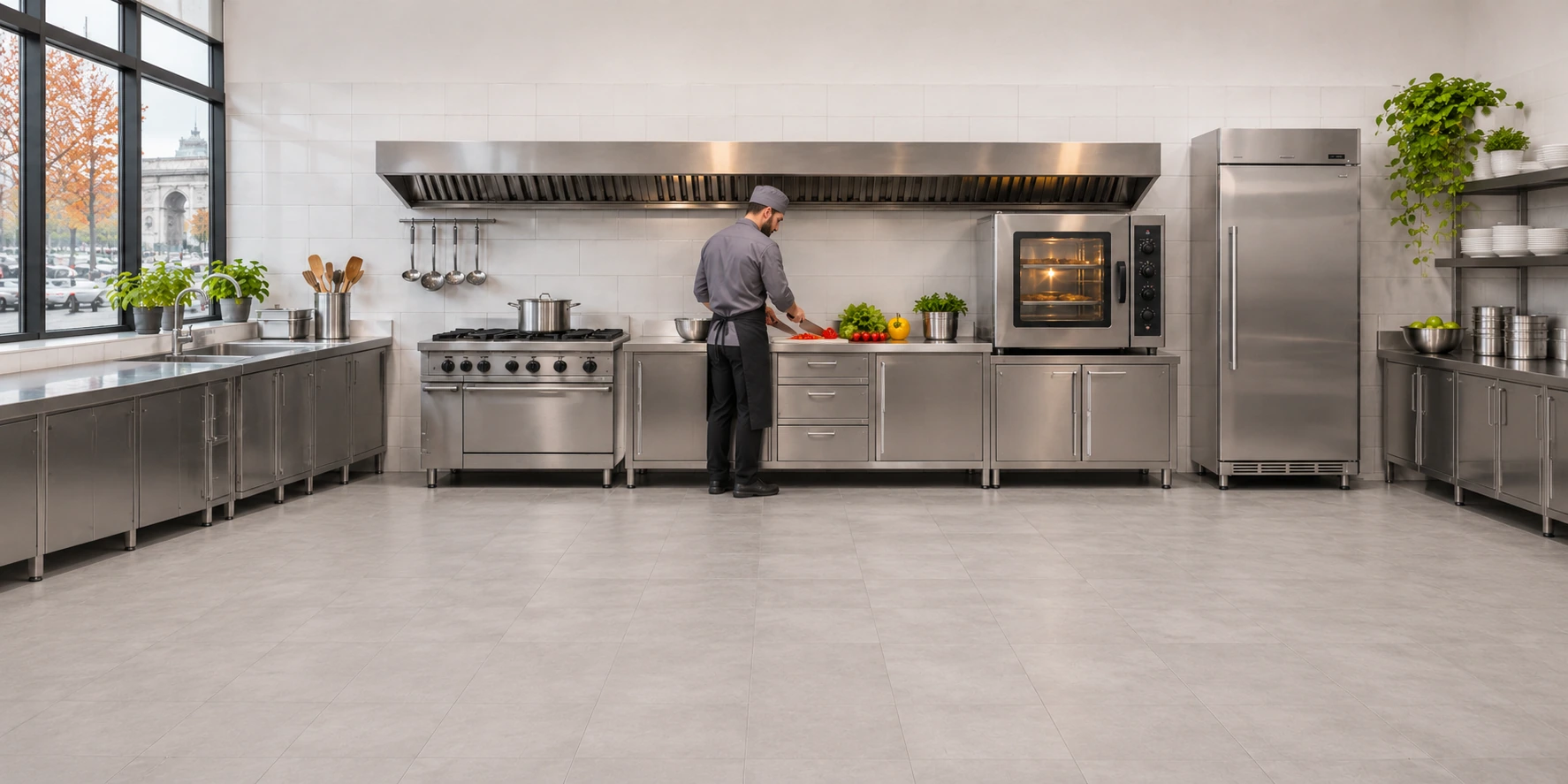
Restaurant or cafe insurance preparation begins with the kitchen, customer areas, property and actual operations. Fire, refrigerator failure and a customer's claim are different situations. Do not assume the name of one policy automatically includes them all.
For a food business in Moldova, accurate description is more useful than a generic risk list. This article explains information to organize before discussion. It does not confirm a product available for every venue or replace the operator's applicable operating, hygiene and safety duties.
Describe the venue as it actually operates
Specify whether food is prepared, reheated or supplied ready-made alongside drinks. Include events, catering and deliveries where performed. A cafe with a small serving area does not operate identically to a restaurant also hosting banquets.
List dining room, kitchen, store, terrace and annexes, including storage at other addresses. A new space is not automatically included because it belongs to the same business. Prepare this information before requesting proposals so comparisons concern the same operation.
For one typical operating day, list essential appliances, stock locations and services performed. Mark an event or catering operation separately from ordinary table service. This is an organizational example, not proof of cover. It helps ensure that a proposal describes the real venue rather than only its trading name.
Building, fit-out and equipment are different categories
If renting, distinguish the landlord's property from your investment. Finishes, furniture, lighting and equipment may have different documents and interests. A lease helps clarify them but does not independently establish what an insurer will accept.
List important objects, including leased or borrowed equipment, and keep relevant records. Do not use only the initial investment total when ovens, refrigeration or furniture have since changed. The inventory should describe property currently in the venue.
Inventory main cooking equipment individually
Record models, known years and use of ovens, hobs and principal appliances. Describe supply and installation location without inventing technical details. Mark missing documents and involve the maintenance person in completing information instead of filling gaps with assumptions.
Distinguish external accidental damage from internal failure. The words machinery or equipment do not confirm every breakdown. Ask about accepted risks, exclusions and maintenance conditions in the actual proposal. A service invoice is not insurance confirmation.
Refrigerators and food stock have separate values
List refrigeration equipment and the food it contains separately. Record stock types, documented values and changes. An event evening may mean more stock than an ordinary day. Do not assess exposure only from an average quiet month.
Food spoilage after temperature problems needs explicit discussion. Property insurance does not automatically include spoiled food, power interruption and refrigerator failure regardless of cause. Request conditions and any limits for each situation important to the business.
Describe installations and ventilation factually
Prepare available information about electricity, water, heating and kitchen extraction. Record interventions, checks and work. A visibly renovated dining room does not establish replacement of hidden installations. If a technical detail is unknown, say so.
Disclose earlier incidents and measures, including resolved problems. Do not describe an existing defect as a new future risk. This article sets no universal technical requirements for every venue. Operating duties and insurer conditions must be checked against applicable documents.
Customers and served products raise liability questions
Damage to your own furniture differs from a customer claim. Describe services and customer-accessible areas, including terraces and events. Request a separate liability assessment without assuming every incident on site automatically establishes the company's fault.
For food or drink allegations, seek clarification of relevant activities and conditions. Do not promise customers compensation on an insurer's behalf. Preserve records and follow contractual notification procedures. Liability and acceptance of a claim are not decided by a general sentence in an article.
Terraces and seasonal property
Tables, umbrellas, heaters and outdoor fittings may be used only part of the year. State where they are installed and stored off-season. Property outdoors is not automatically treated like property inside a locked room.
Before using a new terrace, request a review of the change. Clarify your own and suppliers' property, including borrowed equipment. A brand logo does not establish who bears a loss under a commercial contract or whether the item can be included.
Catering and delivery extend beyond the kitchen door
Describe whether the business takes food and equipment elsewhere or uses a courier. Prepare routes, goods and documented responsibilities. A restaurant address in a contract does not independently establish protection in transit or at an event location.
Vehicle insurance is different from transported-goods protection and service liability. Request a separate assessment for transport questions. This article does not state that every delivery service needs the same product or that one contract resolves every interest.
What is lost when the kitchen stops?
Identify equipment essential to the normal menu. Estimate replacement time and operational alternatives realistically using available information. A working estimate is not a confirmed compensation period. Read recovery plans separately from contractual conditions.
For business interruption, ask about triggering events, periods and financial records. Declining sales or an event cancellation do not automatically become insured losses. Property insurance must not be described as a guarantee of restaurant profits.
Keep open questions about refrigeration, outdoor property and supplier-owned equipment visible. A missing answer is not equivalent to an accepted category. When the menu, location or delivery model changes, use an updated description and preserve the written explanations relating to it. Compare prices only after those differences are understood.
Compare premium, excess and limits together
The premium is the amount paid for the contract. The excess or deductible is the insured's share under its conditions. Check whether proposals describe the same objects, activities and values. Price differences may reflect substantial differences in protection.
Read relevant category limits and exclusions, meaning situations without cover. Ask about outdoor property, food stock and essential equipment. This article gives no universal price per square metre or promised discount for every Moldovan restaurant or cafe.
Preparation and incident records
Keep activity descriptions, inventory, documented values, maintenance and incident history. Do not initially send customer or personal data unnecessarily. Photographs can help while avoiding exposure of people and confidential information. State missing information rather than inventing technical detail.
After an incident, people come first. Record facts only when safe, limit aggravation appropriately and follow contractual notification. Check deadlines and documents in the policy rather than assuming a generic list. The broker can explain steps, but the insurer decides compensation.
An illustrative cafe adding hot meals
A hypothetical cafe starts cooking after previously serving drinks and ready-made food. The operator updates equipment records and describes the new kitchen use. It reviews installations, stock and services instead of assuming the previous description is sufficient.
This is not a real client or a promise of an accepted claim. It shows why a menu change can alter the activity. Updating information is useful at renewal and after significant business changes under the applicable conditions.
Suppliers and event equipment
A restaurant may use a coffee machine, refrigerator or tableware owned by a supplier. Record ownership and the use agreement. Do not combine borrowed property with purchases without explaining the distinction. Supplier agreements may require separate assessment of responsibility.
For an event, some equipment may be hired for one day while other items travel from the restaurant. Ask about the relevant locations and periods. The total event value is not the physical-property sum: services, deposits and objects play different roles.
Prepare a simple handover record identifying objects and observable condition. It need not be published online. It helps participants clarify facts, but cannot independently determine legal liability or an insurer's claim acceptance.
Review dependence on frequent deliveries or one equipment supplier. Alternatives may reduce downtime even if the desired insurance is unavailable. Prevention, commercial contracts and insurance complement one another; none should be called a universal solution for operating the venue.
Frequently asked questions
Does property insurance include spoiled food?
Not automatically. Request review of stock, damage cause and temperature or refrigeration conditions. A generic policy name is not confirmation for that situation.
What should the broker know about the kitchen?
Actual activities, equipment, installations, documented maintenance and known incidents support assessment. Mark missing information instead of inventing technical details.
Is a terrace included at the same address?
Check outdoor property and use explicitly. One address does not mean identical conditions for an enclosed room and furniture left outside.
Can I compare prices alone?
Compare property, values, risks, limits, excess and exclusions too. Price without those elements does not show whether proposals meet the same need.
Next step
Request a conversation with ING Broker to check assessment and intermediation possibilities. The broker explains options and arranges insurance. Risk acceptance, conditions and claims handling belong to the insurer under the contract. This article does not confirm product availability or coverage of an individual case.
Related reading: Business interruption and loss of profit.
Sources and limits
- National Bank of Moldova: questions before signing
- MOLDASIG: property insurance for legal entities, local context
The Romanian original records source consultation on 9 November 2026. The translation revision date does not mean the sources have been checked again. Preparation lists are editorial recommendations, not policy conditions. Cited products belong to their providers and are not ING Broker offers. Legal obligations and individual circumstances require specialist verification.