
Gym insurance: equipment, premises and activities
Gym insurance preparation separates premises, fit-out, equipment and activities. A property policy does not confirm payment for every customer accident. Building protection does not establish inclusion of treadmills or equipment brought by a trainer. Accurate identification of property and roles matters before discussing price.
This material helps managers in Moldova prepare assessment questions. It does not announce a special package available to every gym. Local information about business-property insurance is context, not automatic acceptance of a sports centre. Conditions and the possibility of arranging insurance require confirmation for the actual activity.
Describe daily use
Record address, spaces, hours and activities. Separate individual training, group classes and additional services. Do not hide a sauna, pool, rehabilitation or children's activities under the general word fitness. This article does not confirm their eligibility; complete description identifies questions needing separate discussion.
Explain who operates each service and whether third parties use the premises. An independent trainer can have a different contractual role from an employee. Uniforms or social-media listings do not establish liability or insured status. Actual work and documents should be consistent.
For each space, record activities and operators before linking machinery to it. Keep employee-led classes distinct from services supplied independently. This is an organizational aid, not a finding of liability. An unresolved answer about a provider should remain visible rather than being treated as automatic inclusion.
Building and tenant improvements
For rented premises, prepare the lease and your fit-out description: flooring, mirrors, partitions, changing rooms and other investment. Separate landlord and operator property. Building insurance does not automatically protect tenant-funded expenses. Ask which interests and categories can be recorded in the proposal.
Identify responsibilities for installations, repairs and shared spaces using actual documents. Do not invent obligations for owners or managers. Clarify unclear relationships before comparison. One total gym value does not resolve damage involving assets owned by different people in the same room.
Make the equipment inventory usable
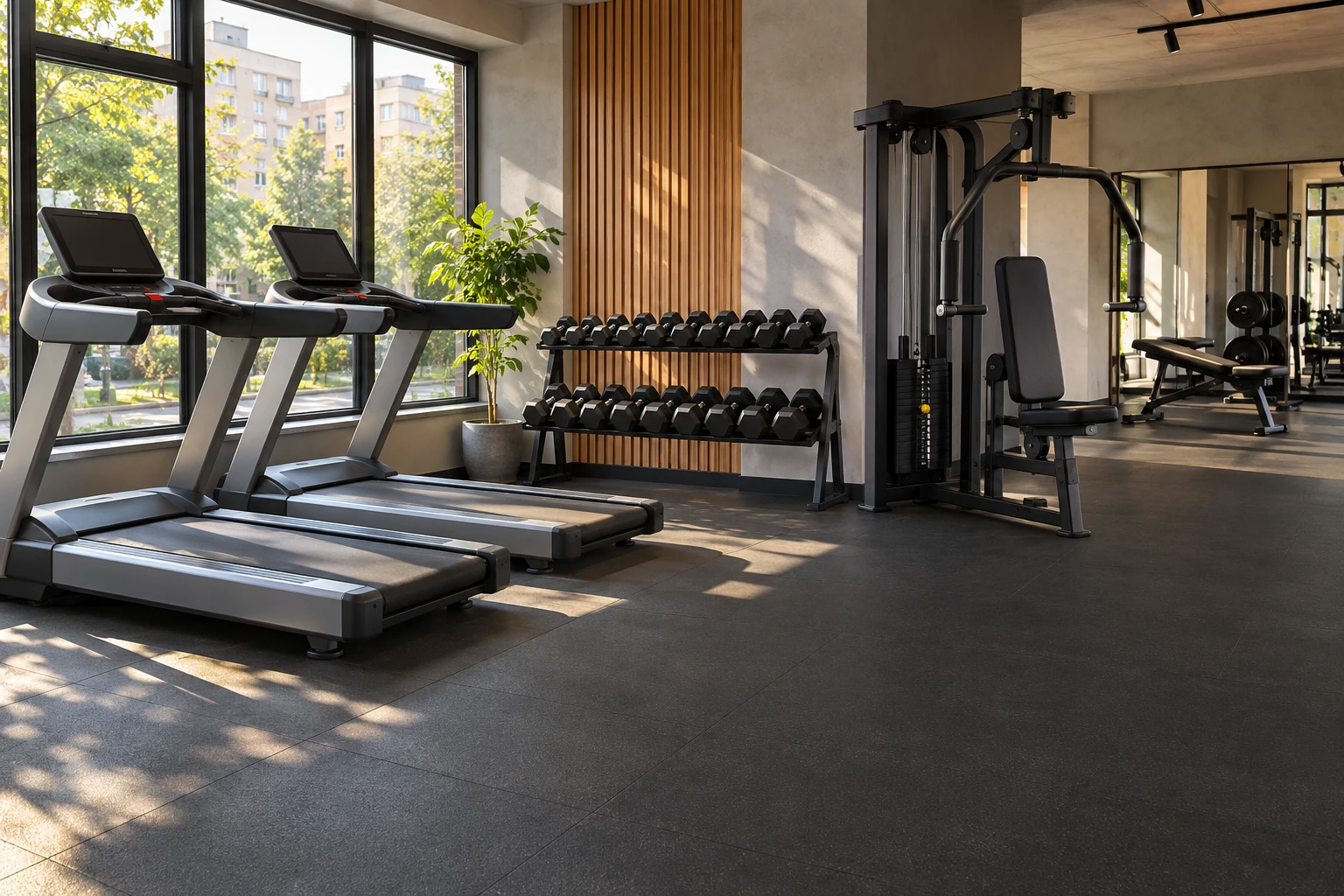
Use recognizable categories such as cardio, strength machines, weights and auxiliary equipment. For significant items, record make, model, identifier, year and supported value. Include actual condition and available records. An updated table is more useful than a panoramic photograph with unclear ownership.
Mark leased, hired or demonstration equipment. Presence on site does not automatically include it in the operator's policy. Explain normal locations and movements between branches. Request an update procedure so purchases and replacements do not remain unreviewed until annual renewal.
Match important machines to valuation and service records. Separate purchases, leases and temporary demonstration items. When reviewing a proposal, compare those same categories and dates. The purpose is accurate assessment without disclosing customer medical information or implying that any future accident is already accepted.
Equipment damage can have different causes
Describe scenarios relevant to operations, such as an electrical incident, water leakage or accidental damage, where requested. This is a verification list, not a coverage statement. Ask about accepted causes, exclusions and inspection conditions for the actual machines and components.
Insurance is not the same as warranty or maintenance. Wear, defects and service obligations depend on the relevant documents, not one rule for all products. Keep invoices and intervention history. Accurate condition information helps assessment but this article does not certify equipment safety or replace technical checks.
Maintenance and safety remain operational responsibilities
Record who checks equipment, removes problematic machines from use and keeps service records. These are organizational recommendations, not a complete list of legal duties. Competent specialists assess safety requirements. A policy does not justify leaving equipment in use when a danger is known.
Describe existing measures without unprovable certificates or inspections. Mark planned technical work. A favourable answer for another centre is not confirmation for yours. Conditions depend on premises, use and submitted documents, not solely on a shared activity name.
Customer liability is not equipment insurance
A customer may bring a claim after an incident, but the claim alone does not prove operator liability or insurer payment duties. Request a separate review of activities and people. Property insurance must not be described as protection against every injury. Individual facts require appropriate specialist assessment.
Discuss a common-area incident, machine use and instructor-led activity without general promises. Ask who is insured, which activity is described and what limits apply if a solution is proposed. Independent providers are not automatically included because the gym advertises them.
Participant accidents need separate assessment
If interested in accident protection for participants or employees, request it separately from the asset inventory. Purpose, people and events differ. Do not advertise insurance included in a membership before confirming product, conditions and information arrangements. A short sales phrase can create expectations wider than the documents.
Initially describe activities and purpose without collecting customers' medical records. Sensitive information needs an appropriate channel and procedure. This article gives no medical advice, establishes no fitness for exercise and confirms no condition's coverage. Those conclusions do not follow from insuring premises or equipment.
Locker-room property and additional services
Ask explicitly about other people's belongings if relevant. A lockable locker does not establish insurance of contents. Describe use and participant agreements without assuming a legal conclusion. Do not promise automatic reimbursement of any amount for a reported missing item.
Separate retail products, stock, payment terminals and office equipment from sporting machines. Explain third-party operators in reception or elsewhere. A general furniture list is not a complete commercial inventory. Ask about categories, values and conditions for every actual activity under consideration.
Temporary closure and lost revenue
For planning, identify operations stopping when an area cannot be used. This might involve moving a class or temporarily replacing a machine. It is an internal exercise, not confirmation that insurance pays memberships, rent or lost income. Request a separate conversation about important economic consequences.
If a proposal mentions business interruption, check the triggering event, period and financial records required. Falling membership is not automatically an insured event. A commercial problem and physical property damage may have different causes. Written conditions determine any protection, not the package name.
Compare prices on the same basis
The premium is the amount paid for the contract. Submit the same inventory and activity description for each review. Compare period, territory, values, accepted causes and exclusions before the total. A one-location quote is not directly comparable with two branches including leased equipment.
The excess or deductible is the insured's share under the conditions. Request the calculation basis and category limits. Record confirmed, unclear and excluded points. Seek answers before choosing solely by a smaller premium displayed on a quotation.
Assign responsibility for incidents and renewal
Keep contracts and confirmed contacts accessible to the responsible person. Protect people, follow competent instructions and then the contractual notification procedure. Record facts without prematurely assigning cause or fault. This article establishes no universal notification deadline or promise to settle from one photograph.
At renewal, review purchases, locations, new activities and provider changes. Request confirmation of updates; accounting entries do not independently change a policy. The broker organizes comparison and explanations. Acceptance, conditions and claims belong to the insurer. The aim is to understand both proposed protection and risks retained in the gym's budget.
After buying new equipment
Confirm identification, owner, location and valuation documents before updating the submission. A package photograph or invoice total may not identify the actual items. Ask which document confirms a proposal or contract change and keep the reply in the branch file.
When replacing a machine, mark the old item's removal from the active list. Avoid unexplained double counting. This discipline supports renewal, maintenance and comparison without automatically implying a premium change or refund. Contractual effects require the applicable procedure.
Keep each update linked to the branch and inventory version it concerns. A photograph of newly delivered equipment is useful context, but not independent confirmation that an existing contract has been amended or that every cause of damage is accepted.
Frequently asked questions
Does machine insurance include customer accidents?
Not by assumption. Property, personal accidents and operator liability are distinct subjects requiring relevant document checks.
Are all treadmills automatically included?
Request identification, values and accepted causes. The inventory and proposed list must match, including later purchases.
Is an independent trainer included?
Shared premises do not establish this. Check contractual role, activity and insured person separately.
What should I prepare first?
Activities, address, use agreement, supported inventory and questions about customers or interruption. Participant medical data is not needed for this general description.
Next step
Request a conversation with ING Broker to check assessment and intermediation possibilities. The broker explains options and arranges insurance. Risk acceptance, conditions and claims handling belong to the insurer under the contract. This article does not confirm product availability or coverage of an individual case.
Related reading: Separate IT and administrative equipment inventories.
Sources and limits
The Romanian original records source consultation on 9 November 2026. The translation revision date does not mean the sources have been checked again. Preparation lists are editorial recommendations, not policy conditions. Cited products belong to their providers and are not ING Broker offers. Legal obligations and individual circumstances require specialist verification.